
Codependency, Interdependence, and the Work of Staying Connected
Codependency is not simply about needing other people. The deeper work is learning how to stay connected without over-functioning, losing yourself, or blending into someone else’s emotional world.

Why Intercultural Couples Need to Create Their Own Microculture
Intercultural couples often bring different ideas about family, communication, money, gender, and tradition into the relationship. Creating a shared microculture can help couples decide together which values they want to carry forward.

How American Culture Has Shaped the Global Idea of Romantic Love
American culture has exported more than products. Through Hollywood, celebrity culture, individualism, and the American Dream, it has helped shape how romantic love is imagined around the world.

The Hyphenated Identity: What It Means to Belong to More Than One Culture
Belonging to more than one culture can bring richness, complexity, and questions about where home is. Explore layered identity, migration, history, and belonging across cultures.

How Globalization Is Expanding Who We Meet, Date, and Love
Globalization has changed more than how we travel and work. It has expanded who we meet, who we date, and the kinds of relationships we can imagine across cultures.

When Independence Becomes a Defense in Dating
Independence can be a real strength. But when self-reliance becomes protection from disappointment, it can also make closeness harder. Here’s how hyper-independence can show up in dating and relationships.
Why High-Achieving Women Can Struggle in Dating
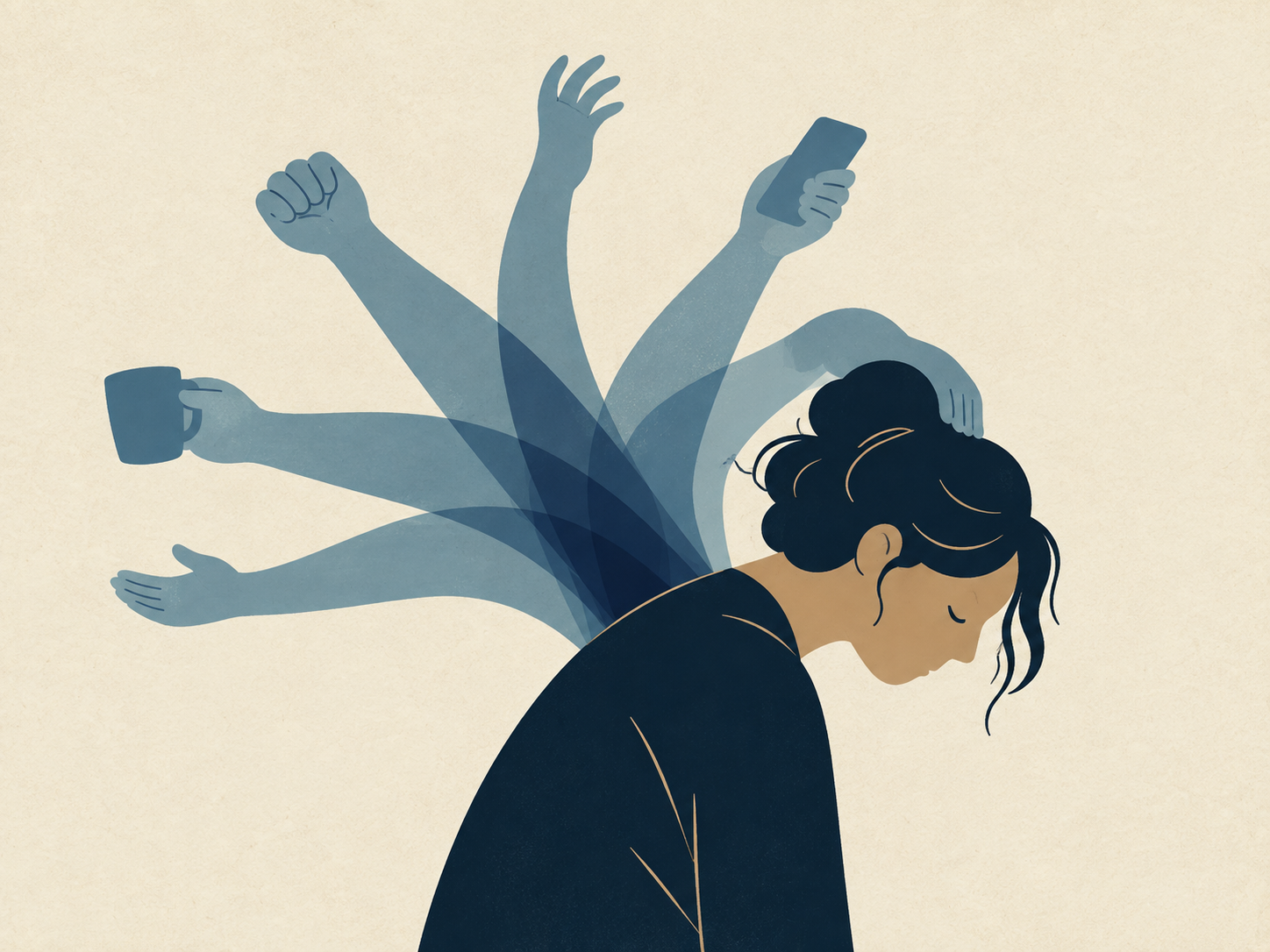
You may be successful, independent, and clear about what you want, yet dating still feels unexpectedly difficult. Here’s how achievement, attachment, control, and intimacy can intersect.

When You Want to Settle Down… But Don’t Want to Settle
Wanting a serious relationship does not mean you should settle. Modern dating can make it harder to know when to stay open, when to walk away, and whether attraction is compatibility—or familiarity.
Dating Burnout: When Looking for Love Starts to Feel Like Work
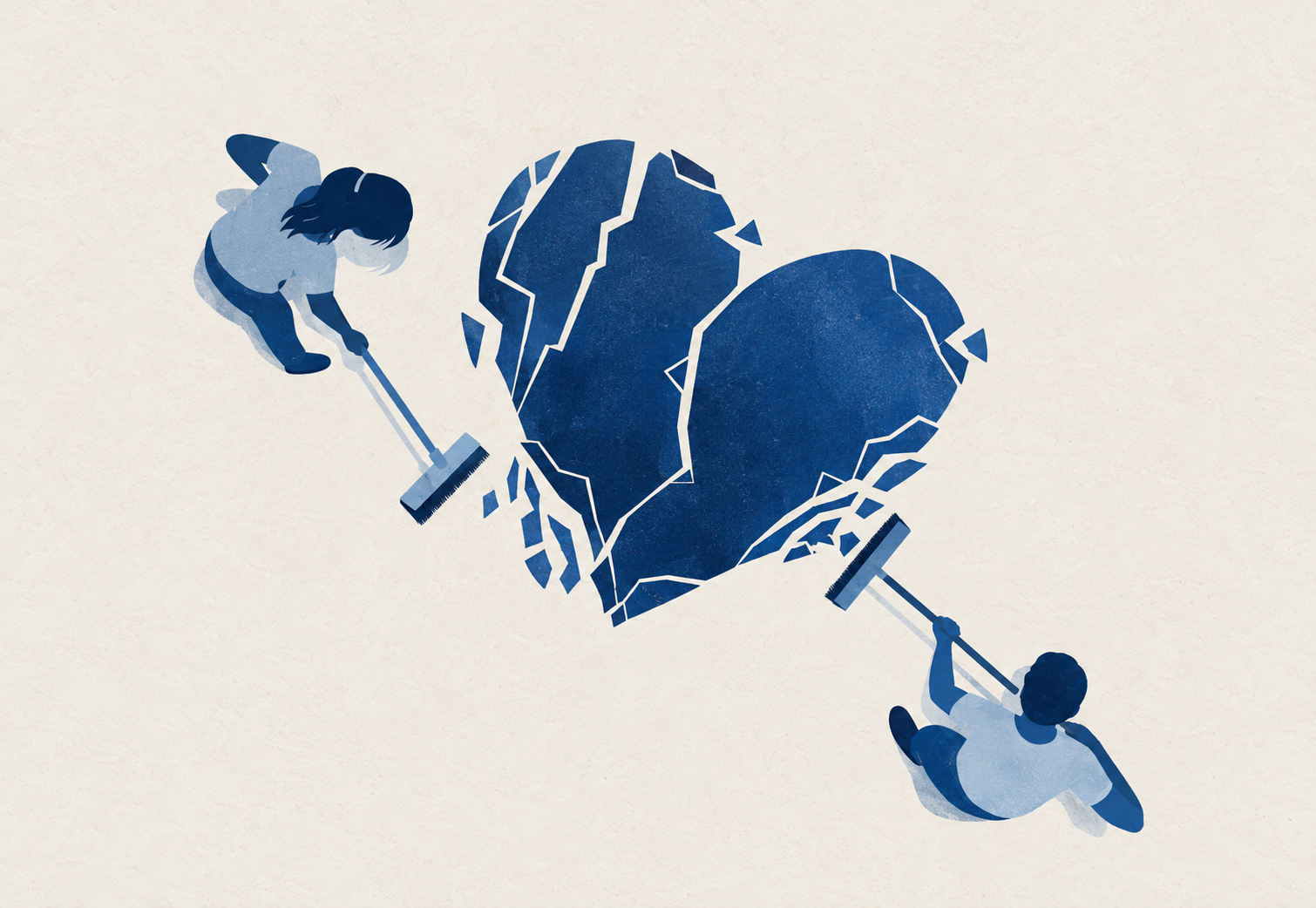
Dating can start with hope and curiosity, then slowly begin to feel like another job. For high-functioning people especially, the instinct to work harder can turn dating into something exhausting.

The Role of Privacy, Restraint, and Containment in Mature Relationships
Intimacy is not the same as total psychological transparency. This article explores the difference between privacy and secrecy, when internal experiences become relational information, and why mature relationships need both vulnerability and restraint.
Why Do I Struggle So Much to Communicate What’s Wrong in a Relationship?
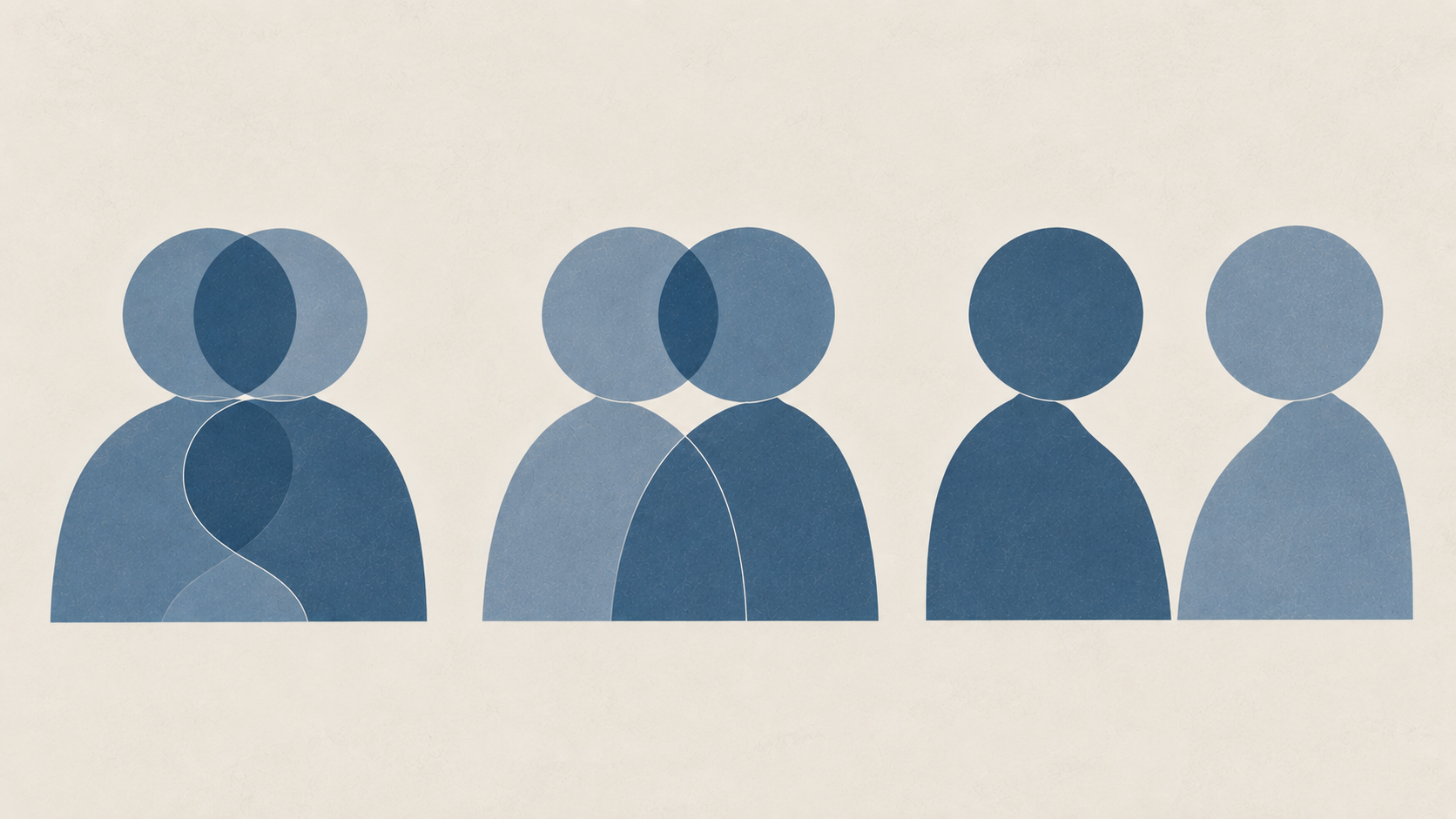
Some people know something feels wrong in a relationship long before they can explain why. This article explores differentiation, shame, fear of conflict, and why unspoken feelings can quietly erode intimacy and mutuality.
Why High-Functioning Women Over-Explain Other People’s Behavior
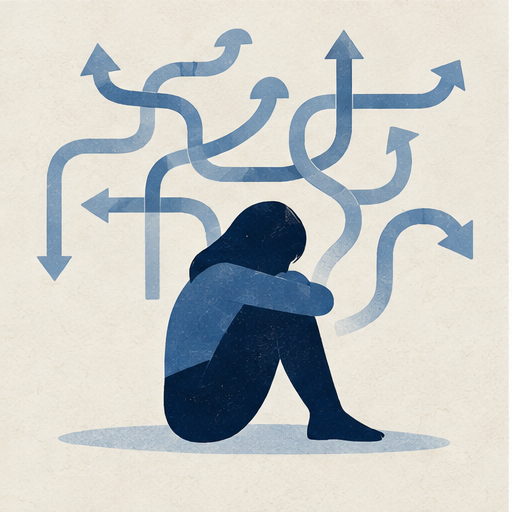
Some women do not over-function by people-pleasing. They over-function by endlessly explaining other people’s behavior. This article explores how understanding can become a way to manage uncertainty, avoid vulnerability, and carry too much of the emotional work in relationships.

Why Do I Feel More Anxious After Doing So Much Work on Myself?
You’ve done the therapy, become more self-aware, and made meaningful changes… so why do you feel more anxious? Sometimes growth doesn’t create anxiety. It reveals what was already there.

When One Person in the Family Is Finally Ready to Feel What Others Couldn’t
How does trauma travel through families? Sometimes one person becomes ready to name, feel, and confront the grief, survival patterns, and family wounds that earlier generations could not.

Why “Therapy Speak” Like Boundaries Doesn’t Always Translate Across Cultures
Therapy language is not culturally neutral. Terms like “boundaries” can carry very different meanings in collectivist cultures, where family loyalty, respect, and connection may be central to psychological health.

English Is the World’s Lingua Franca. But Is It Culturally Neutral?
What happens when two people fall in love in a language that belongs natively to neither of them? This piece explores English as a lingua franca in intercultural relationships—and how language can carry culture, values, and assumptions about love with it.


Why Do I Keep Choosing Emotionally Unavailable Partners?
Why do we keep choosing emotionally unavailable partners? This article explores attachment, repetition compulsion, projection, family-of-origin wounds, and how romantic relationships can become a powerful catalyst for growth and secure attachment.

Why Does Therapy Cost So Much? What You’re Actually Paying For
Therapy can be expensive, but a 50-minute session reflects much more than time in the room. Here’s what goes into the cost of therapy—and why it can be a meaningful investment in your emotional, relational, professional, and physical well-being.

Can We Be Born With Trauma? How History Lives in Our System
Can trauma begin before birth? Research on prenatal stress, epigenetics and intergenerational trauma suggests that our stories may begin earlier than we think. From the womb to war, famine, migration and family history, this article explores the many ways history can live on in the body.